

 16 min read
The best Unbounce alternative for most teams is Leadpages if the reason to switch is predictable pricing, unlimited traffic, and a simpler landing-page workflow. Choose Instapage if you still need serious paid-media experimentation, Webflow or Framer if design control matters more than landing-page-specific optimization, ClickFunnels if the landing page is part of a full sales funnel, and Carrd if you only need a sharp one-page campaign without a monthly platform tax.
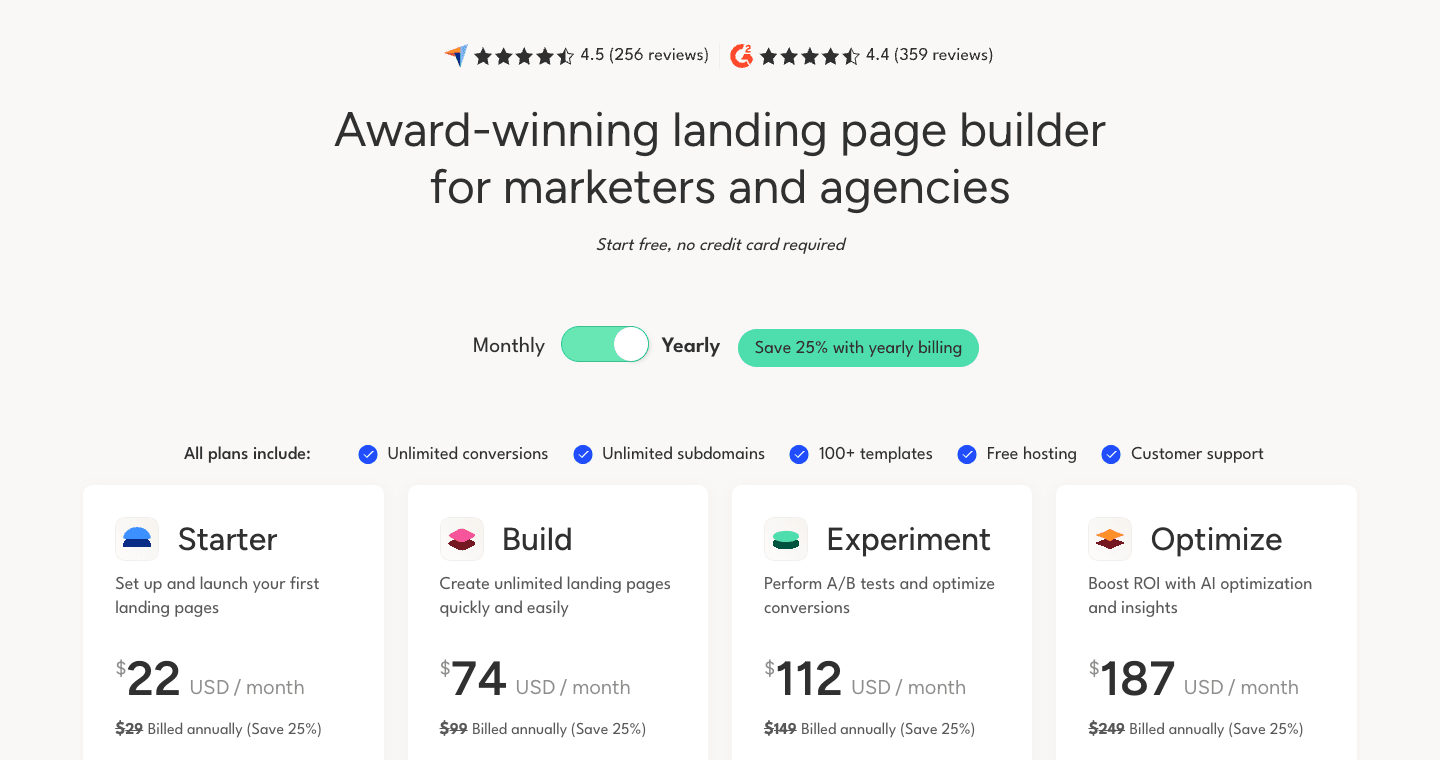
Unbounce still has a clear role. Its pricing page lists landing pages, popups, sticky bars, A/B testing on higher plans, dynamic text replacement, AI traffic optimization, and traffic-based tiers. That makes it a strong fit for marketers who run paid campaigns and want conversion tooling in one place. The switch usually starts when a team wants lower cost, fewer traffic constraints, more design freedom, or a broader funnel/website platform.
This guide was researched on June 2, 2026 using current official pricing pages, real screenshot captures, and live SERP benchmarks for Unbounce alternatives. For deeper context on the incumbent, start with the ToolBlueprints Unbounce review.
Editorial and affiliate disclosure
ToolBlueprints is an editorial software research site. We may earn from affiliate or commercial links in some articles, but this shortlist was selected from official product pages, pricing pages, category fit, and practical switching tradeoffs. This article is not sponsored by Unbounce or the alternatives covered here.
Quick Verdict
- Best simpler Unbounce replacement: Leadpages, because it focuses on landing pages, no traffic caps, A/B testing, and a lower-friction workflow for small teams.
- Best for advanced ad testing: Instapage, because it keeps landing pages, visitor tiers, experimentation, personalization, collaboration, and enterprise conversion workflows in one platform.
- Best for design-controlled websites and campaign pages: Webflow, because it gives teams more control over production sites, CMS content, and custom page systems.
- Best for designer-led launches: Framer, because it is fast for polished marketing sites, prototypes, and CMS-backed landing pages without a traditional website build.
- Best for funnel businesses: ClickFunnels, because it bundles funnels, contacts, email capacity, courses, domains, and sales workflows instead of acting as a pure landing-page tool.
- Best ultra-low-cost option: Carrd, because simple one-page campaigns, directories, waitlists, and creator pages rarely need a heavyweight conversion suite.
Unbounce Alternatives Comparison Matrix
Use this matrix for the shortlisting pass. Pricing changes quickly, so treat plan details as current-source caveats, not permanent promises.
| Alternative | Best for | Starting price or pricing caveat | Free plan or trial | Standout reason to switch | Main tradeoff |
|---|---|---|---|---|---|
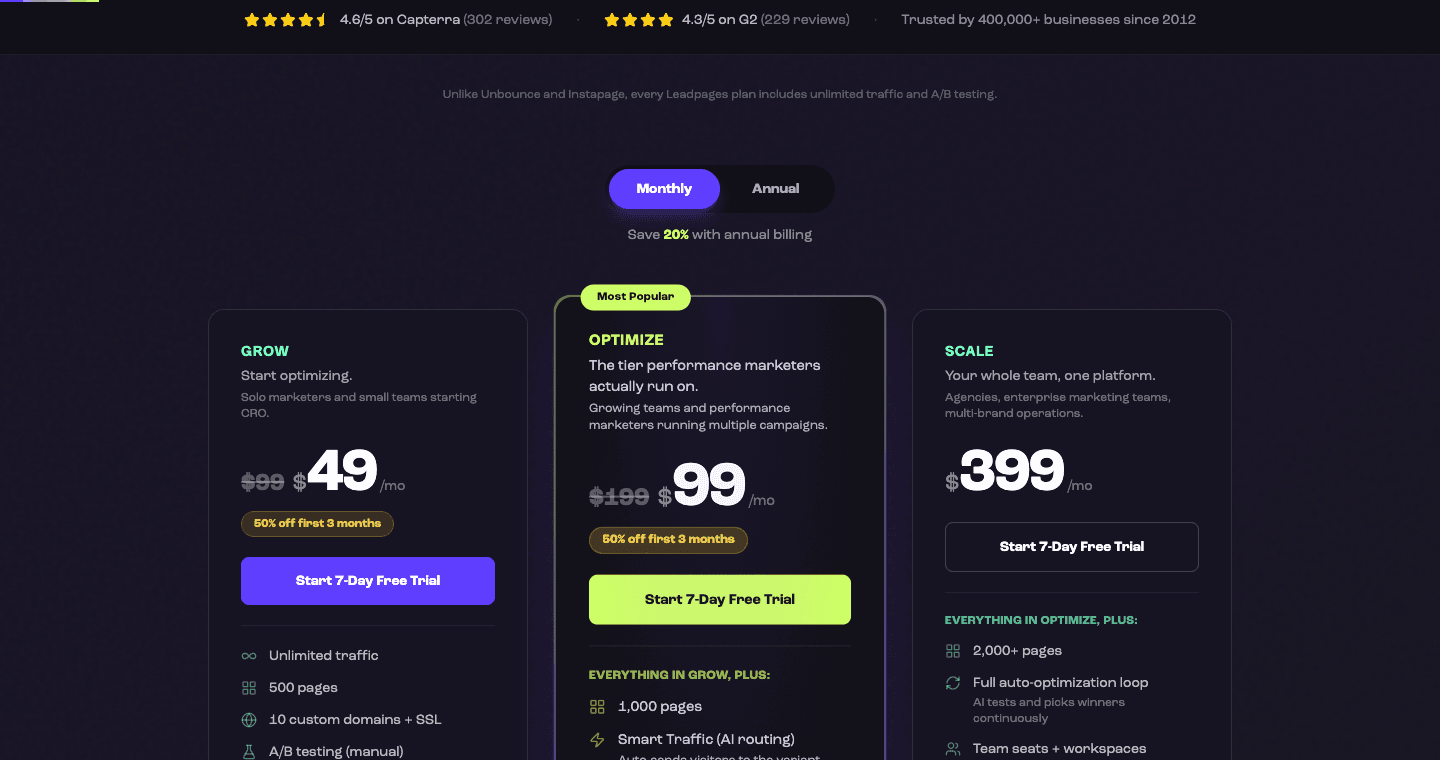
| Leadpages | Marketers who want landing pages with predictable traffic costs | Current page shows Grow at $49/mo for the first 3 months, regular $99/mo; annual billing available | 7-day free trial | Unlimited traffic and A/B testing on every plan | Less flexible as a full custom website system than Webflow or Framer |
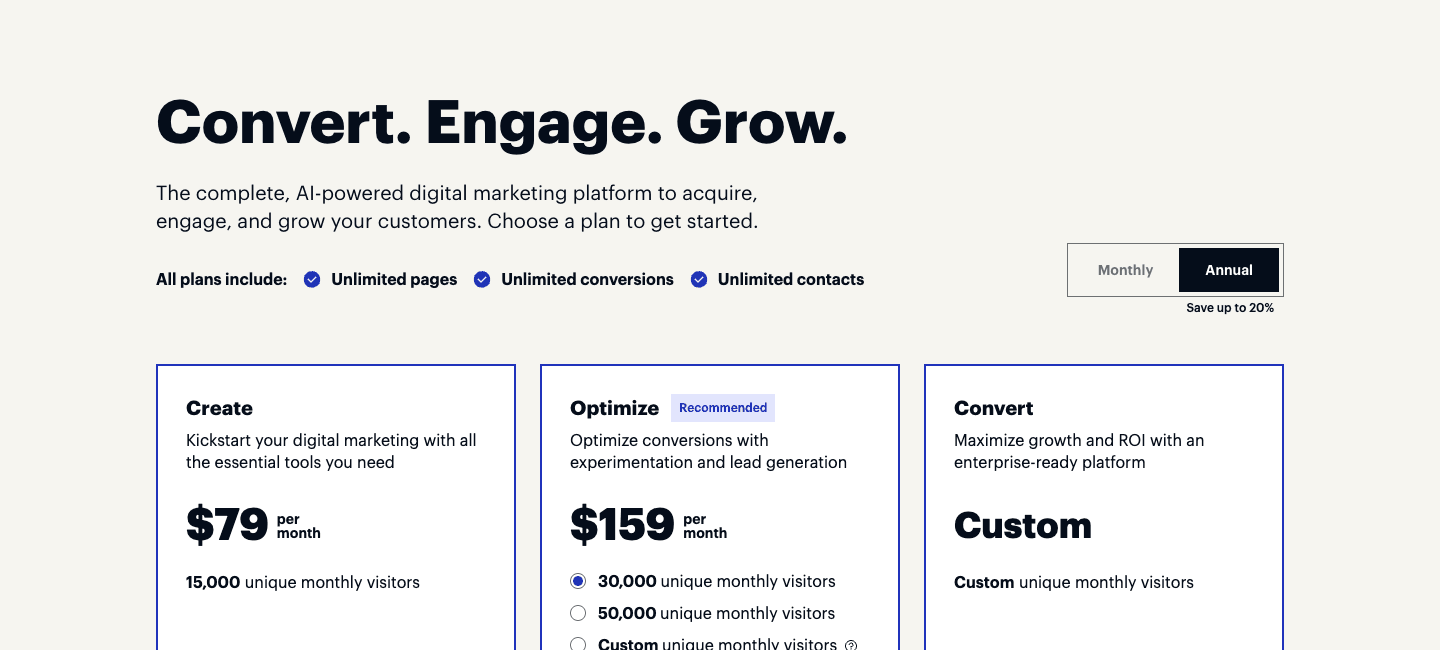
| Instapage | Paid media teams that still need experimentation and personalization | Create at $79/mo annually; Optimize at $159/mo annually; Convert custom | 14-day free trial | Dedicated landing-page testing, collaboration, visitor tiers, and enterprise conversion tools | Can be more than lean teams need, and not always cheaper than Unbounce |
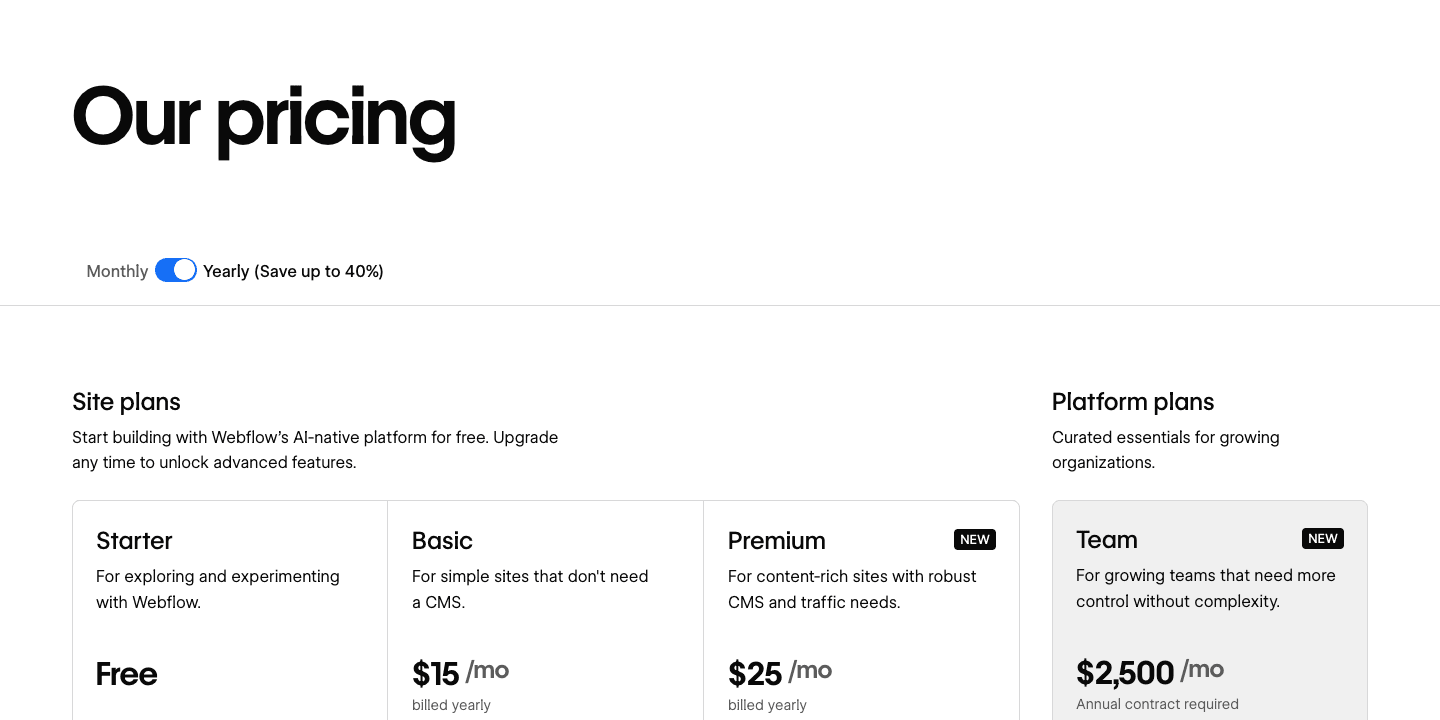
| Webflow | Teams replacing campaign pages with a production website system | Starter free; Basic from $15/mo billed yearly; Premium from $25/mo billed yearly | Free Starter plan | Design freedom, CMS, custom domains, production hosting, and site systems | Landing-page optimization features require add-ons or external testing tools |
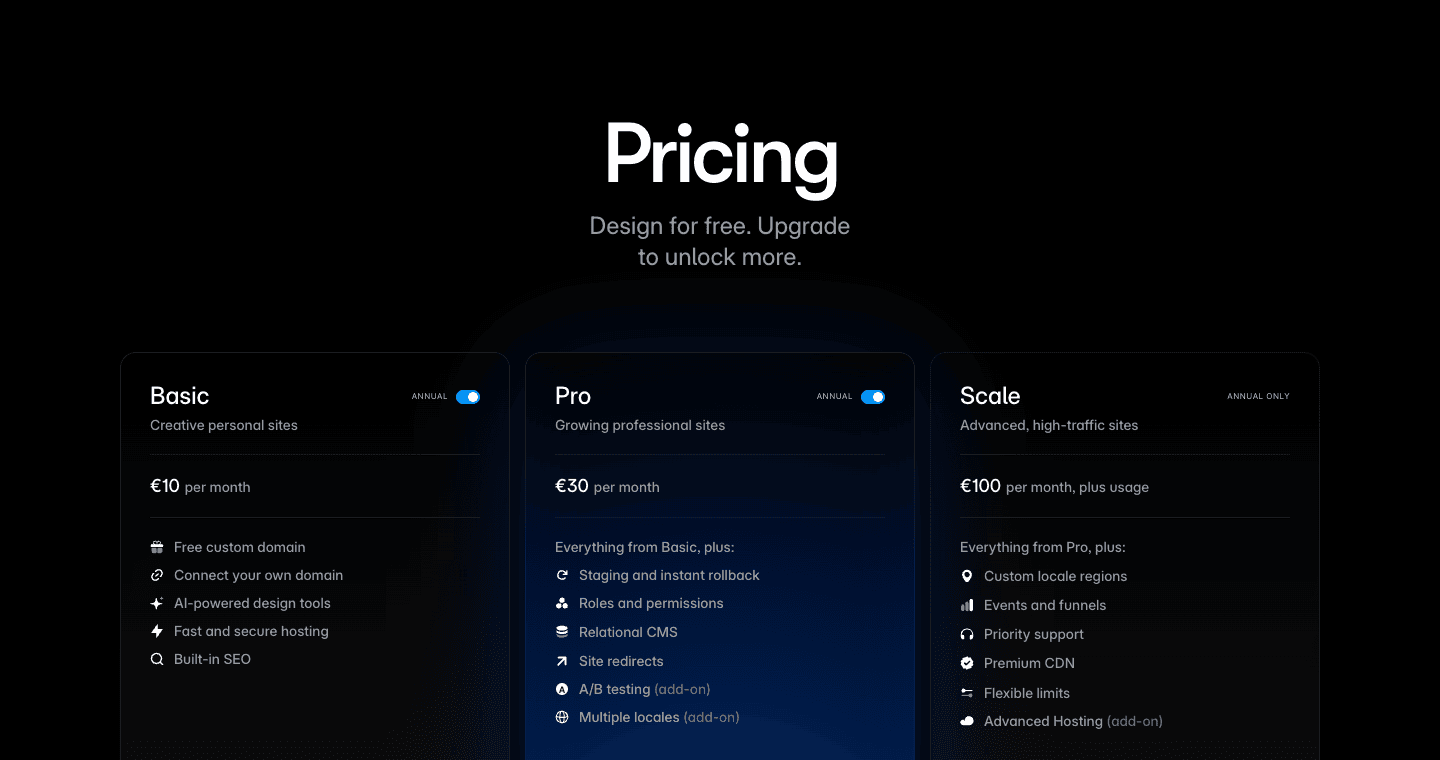
| Framer | Designers and founders shipping polished campaign sites fast | Free design/start; Basic EUR 10/mo, Pro EUR 30/mo, Scale EUR 100/mo annually in the captured region | Free design/start option | Fast visual design, hosting, CMS, SEO basics, and modern site publishing | Less native campaign testing depth than Unbounce or Instapage |
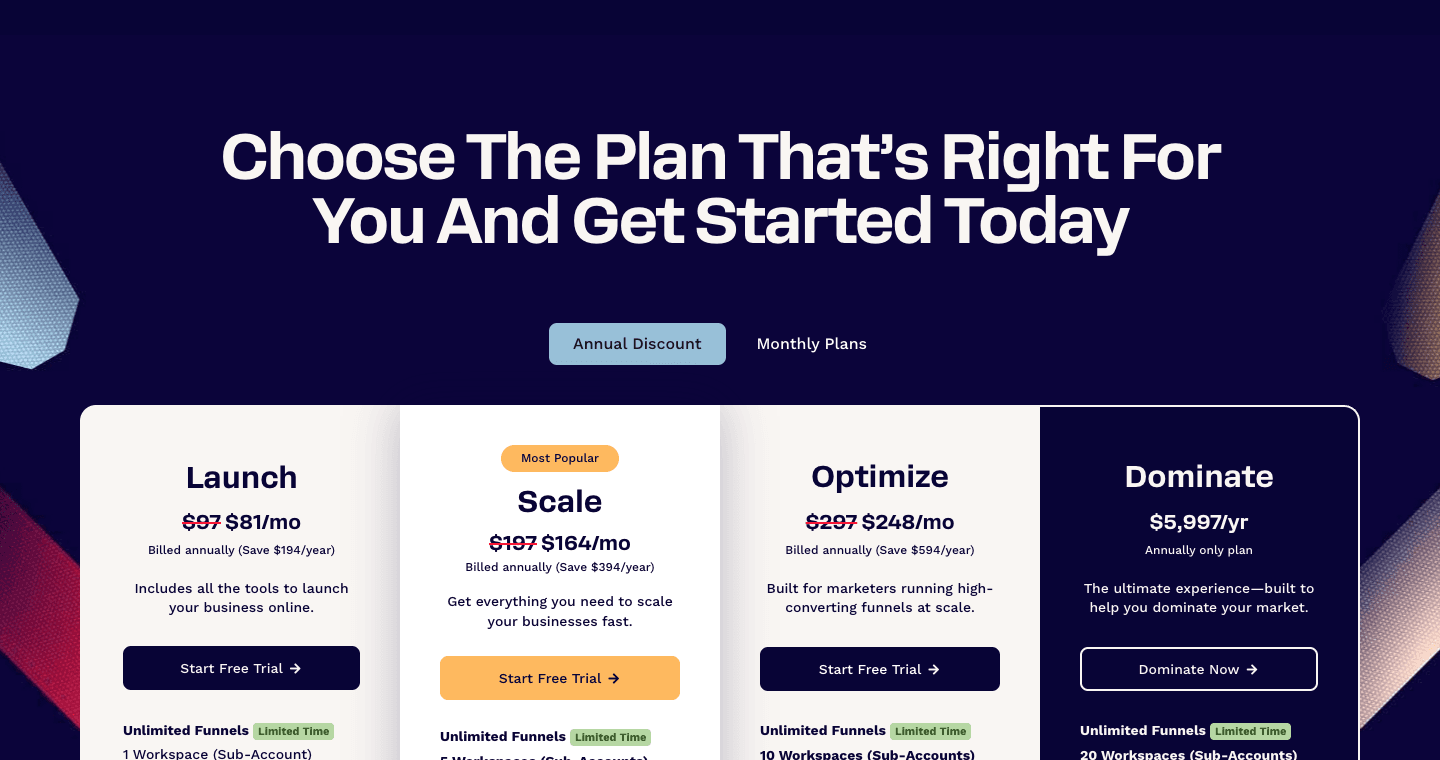
| ClickFunnels | Sales funnels, courses, email capacity, and offer pages in one platform | Launch $97/mo monthly or $81/mo billed annually; higher plans scale contacts and workspaces | Free trial advertised | Funnels, contacts, courses, email capacity, domains, and sales workflows together | Overbuilt for simple landing pages and less design-flexible than site builders |
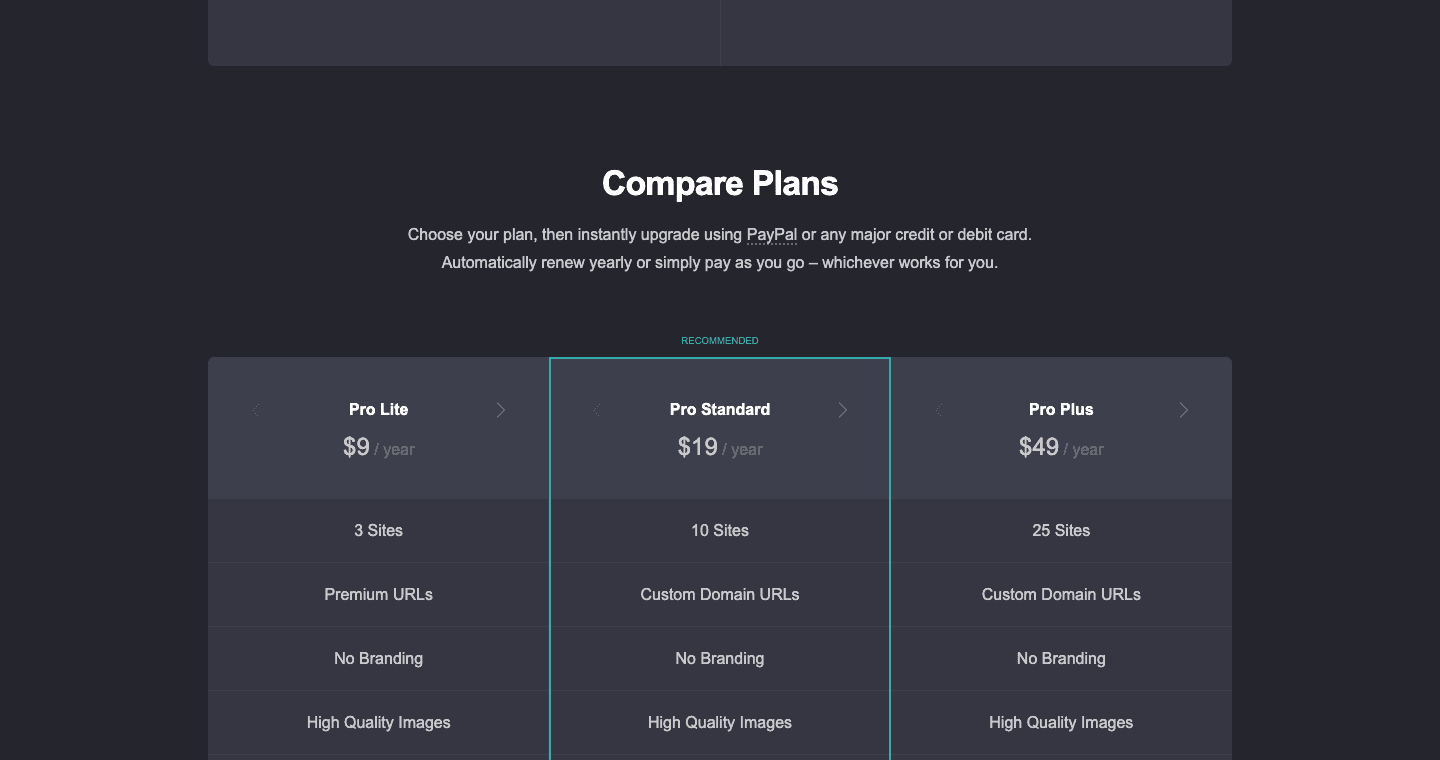
| Carrd | Simple one-page campaigns, waitlists, link pages, and microsites | Pro Lite $9/year; Pro Standard $19/year; Pro Plus $49/year | Free builder with paid Pro upgrades | Extremely low cost for clean one-page sites | Not a full conversion optimization platform |
Pricing was checked from official pages on June 2, 2026. Promotions, annual discounts, regional display, visitor limits, usage tiers, and custom contracts can change.
Why Teams Look For Unbounce Alternatives
Unbounce is not a bad tool. The usual switching trigger is that the campaign changed but the tool did not. A founder may only need two high-quality pages. A paid-media team may need deeper personalization. A design team may want the page system inside the main website. An agency may need client workspaces and governance. A funnel business may need checkout, email, courses, and offers around the page.
- Cost sensitivity: Unbounce annual pricing currently starts at $22/mo for Starter and $74/mo for Build, while A/B testing begins on higher tiers.
- Traffic model mismatch: teams with spiky paid traffic may prefer unlimited-traffic pricing or a website builder with broader hosting assumptions.
- Design control: Webflow and Framer can make sense when landing pages are part of a larger branded site system.
- Funnel consolidation: ClickFunnels can be a better fit when the page is only one piece of an offer, checkout, course, or email workflow.
- Simplicity: Carrd is hard to beat when the job is one clean page and a form, not a full optimization program.
When Unbounce Is Still The Right Choice
Stay with Unbounce if your team already has working landing pages, clean CRM integrations, known conversion benchmarks, and a paid-media workflow that benefits from landing-page-specific tooling. Migration has a cost: forms, scripts, pixels, dynamic text replacement, hidden fields, thank-you pages, domain routing, and analytics events all need to survive the move.
Unbounce is especially defensible when marketers own page creation without developer help, campaigns rely on popups or sticky bars, and the team wants conversion-focused features instead of a general website builder. Switching just to save a few dollars can backfire if it breaks lead routing or slows campaign launch speed.
How We Evaluated The Alternatives
We evaluated each alternative against the switching reason it actually solves: lower cost, testing depth, design control, funnel consolidation, simplicity, and migration effort. We checked official pricing and product pages, captured public screenshots after overlay cleanup, and used the ToolBlueprints editorial methodology for the review process.
- Category fit: can the tool credibly replace Unbounce for landing-page or campaign-page work?
- Pricing posture: does the billing model reduce the pain that caused the switch?
- Conversion tooling: forms, A/B testing, personalization, heatmaps, dynamic text, AI routing, analytics, and integrations.
- Implementation effort: domains, redirects, scripts, pixels, lead routing, templates, and team adoption.
- Disqualifiers: when the alternative is too broad, too light, too expensive, or aimed at a different workflow.
Leadpages
Leadpages is the cleanest Unbounce replacement for teams that still want a dedicated landing-page builder but do not want visitor-based pricing drama. The Leadpages pricing page currently highlights unlimited traffic, A/B testing on every plan, custom domains, AI page creation, and a 7-day free trial.
- Best for: Solo marketers, small teams, and agencies that want landing pages, forms, custom domains, and predictable campaign traffic costs.
- Not for: Teams that need Webflow-level site design systems or Instapage-level enterprise experimentation.
- Why switch from Unbounce: Unlimited traffic and A/B testing are the headline reasons. That matters when campaign success would otherwise push you into a higher visitor tier.
- Where Unbounce still wins: Unbounce has a longer conversion-tooling history, AI traffic optimization on higher plans, and familiar workflows for paid-media specialists already invested in its stack.
- Migration note: Map every Unbounce form, webhook, hidden field, pixel, thank-you page, and dynamic text replacement rule before rebuilding pages.
Instapage
Instapage is the premium alternative when you are not trying to simplify as much as you are trying to upgrade the paid-media landing-page workflow. Its plans page lists unlimited pages, conversions, and contacts across plans, with Create and Optimize tiers plus a custom Convert plan.
- Best for: Performance teams that need experimentation, personalization, collaboration, visitor tiers, and campaign governance.
- Not for: Lean teams switching mainly because Unbounce feels expensive or too specialized.
- Why switch from Unbounce: Instapage keeps the campaign-page focus while leaning into collaboration, experimentation history, heatmaps, personalization, and enterprise workflows.
- Where Unbounce still wins: Unbounce may be easier to justify for smaller teams that only need landing pages, popups, sticky bars, and straightforward A/B testing.
- Migration note: Run the first campaign in parallel. Rebuild the same offer in Instapage, keep tracking windows identical, and compare lead quality before cutting over.
Webflow
Webflow pricing shows a free Starter option and paid site plans that make it a different kind of Unbounce alternative: less campaign suite, more production website system. Choose it when landing pages should live inside a broader branded site, CMS, component system, or design workflow.
- Best for: Design, content, and growth teams that want campaign pages, website pages, CMS content, and custom design control in one system.
- Not for: Marketers who want native landing-page testing and optimization without assembling add-ons.
- Why switch from Unbounce: Webflow gives more control over layout, CMS, reusable site structure, custom pages, and production publishing.
- Where Unbounce still wins: Unbounce is more purpose-built for paid campaign pages, popups, sticky bars, dynamic text, and conversion testing.
- Migration note: Treat the move as a website implementation, not just a page copy. Rebuild forms, analytics events, redirects, consent behavior, and lead routing deliberately.
Framer
Framer is useful when the team wants polished marketing pages quickly and the builder experience matters. The Framer pricing page currently lists Basic, Pro, Scale, and Enterprise paths, with annual pricing shown in the captured region and extra editors priced separately.
- Best for: Founders, designers, and lean growth teams shipping high-quality marketing pages, product pages, and CMS-backed sites quickly.
- Not for: Paid-media teams that need native experimentation depth, traffic allocation, and landing-page-specific reporting.
- Why switch from Unbounce: Framer can feel faster and more modern for designer-led campaign pages, especially when the page needs to match a polished product site.
- Where Unbounce still wins: Unbounce has stronger built-in conversion workflow for landing pages, especially when testing and paid traffic are the center of the work.
- Migration note: Confirm form destinations, conversion events, metadata, mobile breakpoints, and domain setup before launching. A beautiful page that drops leads is still broken.
ClickFunnels
ClickFunnels is not a one-for-one landing-page builder replacement. It is a funnel platform. Its pricing page currently lists Launch, Scale, Optimize, and Dominate plans with funnels, contacts, emails, courses, domains, workspaces, AI tools, and API/custom-code options scaling by tier.
- Best for: Offer owners, course sellers, coaches, affiliate marketers, and small teams that need funnel pages, email capacity, courses, and sales workflows together.
- Not for: Teams that only need campaign landing pages feeding an existing CRM or marketing automation stack.
- Why switch from Unbounce: ClickFunnels can replace several funnel-adjacent tools at once, not just the landing-page builder.
- Where Unbounce still wins: Unbounce is more focused and usually cleaner when the landing page is just the paid-media destination, not the whole sales system.
- Migration note: Do not migrate only the page. Map checkout, email, course, contact, domain, analytics, and CRM handoffs before deciding whether consolidation is worth it.
Carrd
Carrd is the pragmatic budget answer. The Carrd Pro page lists Pro Lite, Pro Standard, and Pro Plus annual plans, with custom domains, forms, embeds, no branding, premium templates, analytics, and larger site limits depending on tier.
- Best for: One-page campaigns, waitlists, link pages, creator pages, lead magnets, simple event pages, and microsites.
- Not for: Teams that need structured experimentation, AI traffic routing, multi-page campaign operations, or enterprise governance.
- Why switch from Unbounce: If your Unbounce use case is one clean page and a form, Carrd can reduce the subscription cost dramatically.
- Where Unbounce still wins: Unbounce is built for marketers managing campaigns, variants, popups, sticky bars, traffic, and conversion workflows.
- Migration note: Use Carrd for the pages that are genuinely simple. Keep complex paid-media testing, dynamic personalization, and multi-step lead flows elsewhere.
Which Alternative Should You Choose?
Pick by switching reason, not by a generic score.
| Switching reason | Best fit | Why |
|---|---|---|
| Unbounce costs too much for simple pages | Carrd or Leadpages | Carrd wins for one-page simplicity. Leadpages wins when you still need a landing-page builder with forms, A/B testing, and traffic-friendly pricing. |
| You need stronger paid-media experimentation | Instapage | It keeps the landing-page focus and adds serious testing, personalization, visitor tiers, heatmaps, and collaboration. |
| Your landing pages should live inside the main site | Webflow | It is a site system, CMS, and design platform first, which can reduce duplicate page infrastructure. |
| Your designer wants to ship polished pages faster | Framer | It favors modern visual design, quick publishing, and CMS-backed marketing pages. |
| The page is part of a sales funnel | ClickFunnels | It bundles funnels, contacts, email capacity, courses, and sales workflows around the page. |
| You already have a stable Unbounce setup | Stay with Unbounce for now | Migration risk may outweigh savings if forms, scripts, and ad tracking already perform well. |
Switching Checklist
- Inventory every live Unbounce page, variant, popup, sticky bar, domain, form, script, pixel, hidden field, and thank-you page.
- Group pages by job: simple one-page campaigns, paid-media test pages, website pages, funnel pages, and temporary microsites.
- Choose the replacement per group instead of forcing every page into one tool.
- Rebuild one campaign first, including mobile layout, form routing, analytics, consent, CRM fields, and UTM handling.
- Run the old and new pages in parallel for a short test where traffic volume allows it.
- Check lead quality, not just conversion rate. A page that produces cheaper bad leads is not an improvement.
- Redirect retired Unbounce URLs and update ads, email links, QR codes, sales docs, and internal bookmarks.
For ad-driven campaigns, pair the builder decision with your paid-media setup. The Facebook Ads for Ecommerce guide is a useful adjacent reference for keeping landing pages, tracking, creative, and budget decisions connected.
FAQ
What is the best Unbounce alternative for most teams?
Leadpages is the best default alternative for teams that still want a landing-page builder but want simpler pricing, unlimited traffic, A/B testing, and a lower-friction workflow. Instapage is better if advanced testing and personalization matter more than cost.
What is the cheapest Unbounce alternative?
Carrd is the cheapest credible option for simple one-page sites, with Pro plans billed yearly. It is not a full conversion optimization platform, so it is best for simple campaigns, waitlists, and microsites.
Is Webflow a real Unbounce replacement?
Yes, when the landing page belongs inside a broader website system. No, if you want native landing-page testing, popups, sticky bars, and traffic optimization out of the box.
Is Framer better than Unbounce?
Framer can be better for polished design-led marketing sites and fast launches. Unbounce is still better for teams that need landing-page-specific campaign tooling and conversion workflows.
Should agencies use ClickFunnels instead of Unbounce?
Only if clients need funnel infrastructure, courses, email capacity, offers, and sales workflows around the page. For pure landing pages, ClickFunnels can add more system than the job requires.
Can I migrate Unbounce pages without losing tracking?
Yes, but only with a careful audit. Recreate scripts, pixels, hidden form fields, conversion events, thank-you pages, CRM routing, UTM handling, and redirects before sending paid traffic to the new page.
Final Recommendation
Start with the reason you are switching. Pick Leadpages for the most familiar lower-friction landing-page replacement, Instapage for serious paid-media experimentation, Webflow or Framer for design-controlled site systems, ClickFunnels for full funnel operations, and Carrd for simple one-page campaigns. Keep Unbounce when the current setup is performing and migration would risk working lead flows.
Sources Checked
Product and pricing facts were checked against official vendor pages on June 2, 2026. SERP patterns were benchmarked from live English results and selected article-like competitor pages.